




Wine Guide
Serving Wine and Food Pairing
Sep
|
Serving temperatures for |
Guidance |
wines |
|
Light crisps white, Rose |
5° – 8°C |
Chablis , Bordeaux white , Pinot Grigio |
|
Juicy Aromatic Whites Sparkling , Sweet & Fortified |
6° – 9°C |
Sancere, Rielings, Sauvignon Blanc , Champagne, Sauterne , Port |
|
Full opulent whites |
10° – 12°C |
Chardonnay, Cote De Beaune, Semillon |
|
Ripe Smooth Red |
**16° – 18°C |
St. Emilion , Pomerol , Merlot, Chianti, Rioja |
|
Rich Dense Red |
**18° – 20°C |
Left Bank Bordeaux , Barolo , Brunello , Cabernet Sauvignon , Shiraz, Malbec |
Serving Wine
** These are the textbook recommendations for room temperature perhaps in context of Europe or US.
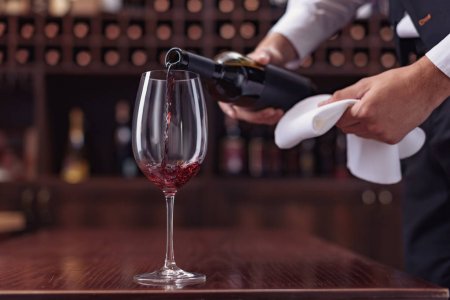
Having chosen , bought ( and perhaps aged ) the wine for the right occasion, it make sense to try serve the wine in best way possible. You need to serve it at the right temperature with adequate breathing but one don’t really need expensive equipment to prepare and opening the wine properly.
In many instances, we found many premium red wines if served following the textbook recommendations ( ** above table ) , they will initially taste a little too cold , rather close, lack nose and flavours with a little sour finish at these 16° – 20°C . Things sometime only improved perhaps after 20-30mins in glass or when we reached the final half of the bottle.
On the other extreme, if we breathe the wine for 2-3 hours at higher 28°-32°C room temperature (no air condition), the wine will often taste flat and flabby.
a) day to day wine Key to getting the best picks for day to day drinking category is to ideally taste the wine prior to buying it . This category is ready to drink straight from the bottle and most will rarely improve with breathing. Key is serving and drinking it at the right temperature range. For the chilled white , once open keep the opened bottle in an ice bucket while the red in an air-conditioned room .
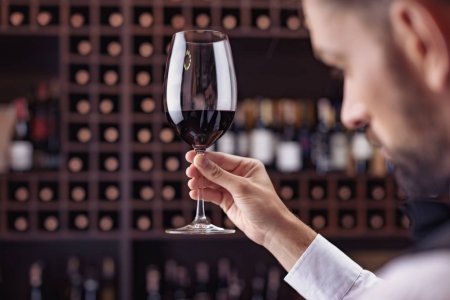
Many of these could be overcome with paying more attention to serving them at right temperature as well as with adequate breathing. Doing so will results in greater integrations of nose, more expansive flavours, complexities and nuances giving much greater pleasures than the initial few sips directly from the open bottle. Our years of drinking experience show for more premiums red wines, letting the opened bottle breath for 1-3 hours or alternatively 30-60mins in a decanter, both in an air-condition environment of 20° to 23°C will often make the wine much more ready , open and pleasurable. Wine poured into decanter will be ready for drinking much faster and also have shorter drinking window as the wine would have mixes with more air as well as much have more open air surface contacts. Essentially try taking a small pour or sip every 20-30mins and you can often tell when the moment is right and drink the wine next 1-2 hours. When there are guests, often more than a bottle will be served so which ever bottle is more ready, drink that.
If the wine is still very young or is a very high classified Bordeaux or old world – the above process may need to be slightly longer.
Should the wine be very old, already at peak or slightly or past the peak drinking window – these wines can be more fragile. The breathing process may not as critical or will need to be adjusted shorter accordingly. Try avoid serving old wines with big surface decanter , instead a carafe or narrow decanter are better choices.
Opening and Serving
Good glassware is worthwhile investments. Thin wall and clear to allow the colour of the wine to shine through vs chunky thick glass psychologically prepare one for a coarse wine. Large bowl for the red to allow it to breathe, smaller tulip glass for white means more constant refilling so less time for the wine to warm up. Slender champagne flute to preserve the bubble longer and shorter stem glasses for dessert and ports.
Get a good corkscrew with blade to remove the capsules and safely removing the cork. One should pour and taste a small amount and approving it before pouring it to the guests.
Wine and Food Pairing
Some Golden Rules in matching Food with wines
(1) Salty dishes need wines with naturally high acidity
(2) Meaty fish can also take light red ( ie. pinot noir )
(3) Oily food need acidity and tannin
(4) Spicy dishes need refreshing wine
(5) White meat often matches better with full white or light red
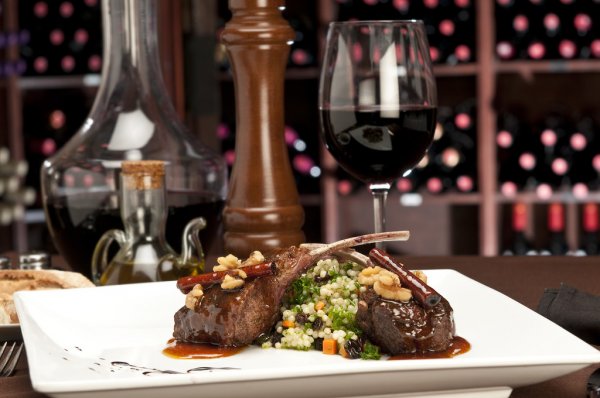
(6) Red Meats matches better with strong tannins
|
Food Style |
Light Crisps white |
Juicy whites |
Full Opulent While |
Ripe Smooth Red |
Rich Dense Red |
|
Smoke |
⭐⭐⭐ | ⭐⭐⭐ | ⭐⭐ | ||
|
Spicy |
⭐⭐⭐ | ⭐ | ⭐⭐ | ||
|
Rich and creamy |
⭐⭐ | ⭐⭐⭐ | |||
|
Light fish /shell fish |
⭐⭐⭐ | ⭐⭐ | ⭐ | ||
|
Meaty fish |
⭐⭐ | ⭐⭐⭐ | |||
|
Poultry |
⭐⭐ | ⭐⭐⭐ | |||
|
Red meat |
⭐⭐⭐ | ⭐⭐⭐ | |||
|
Grill fish |
⭐⭐⭐ | ⭐⭐ | ⭐⭐ | ||
|
Grill meat |
⭐⭐ | ⭐⭐⭐ | ⭐⭐⭐ | ||
|
Pasta/pizza |
⭐⭐ | ⭐⭐ | ⭐⭐⭐ |