Domaine Mongeard-Mugneret
Clos de Vougeot Grand Cru 2017
“Soft wood and herbal tea notes combines with those of dark currant, raspberry and spice wafts. There is both good verve and detail to the nicely focused and relatively powerful flavors that display firm but not rustic tannins on the youthfully austere finale where the wood suggested by the nose reemerges.(1/2019)” – 91-93/100, Burghound
VARIETIES: 100% Pinot Noir (According to the quality of the vintage), Average age of vines 45 to 50 years
REGION: Clos de Vougeot Grand Cru, Côte de Nuits, Côte-d’Or, Burgundy, France
AGEING: Aging is carried out in oak barrels, 80 to 100% of which are new oak barrels
GUARDING POTENTIAL: Enjoy now or will cellar well up to 25 years
SERVE: Serve at 14 – 16ºC
FITS TO: Filet d Agneau en Croûte / Chevreuil Sauce Veneur / Quartier de Chevreuil
CRITICS SCORES: 91-93/BH
VIVINO: Average 4.3 ★★★★✰
___________________________________________________
Overview | Of | Domaine Mongeard-Mugneret
The Mongeard family origins date back to 1620 in the commune of VosneRomanée in Burgundy. Situated in between Dijon and Beaune, the Domaine Mongeard-Mugneret was renamed in 1945 after the marriage of Eugène Mongeard and Edmée Mugneret which allowed both families vineyards to combine, thus increasing the size of their joint domaine. Their son Jean began bottling wine for the first time and released it commercially under the new name. Jean also began selling estate fruit to high-end producers such as Marquis d’Angerville and Henri Gouges.
Today the estate has about 75 acres of land in around 35 different vineyards including four grand cru parcels: Échezeaux, Grands Échezeaux, Clos de Vougeot and Richebourg. With a specialty in producing high-end examples of the Pinot Noir grape vartiety, the domaine also releases some Chardonnay and Aligoté white wines.
Vineyards are 45-50 years old on average and are grafted with superior Pinot Noir clones. Yields have been a mere 2.9 tons per acre. In the vineyards, the domaine has employed the philosophy of lutte raisonée since the early 2000s. Vines are pruned Guyot, and a green harvest takes place. Harvest is completely by hand. Grapes are destemmed, except for Richebourg for which about onethird of the stems are retained. The crop is then placed in the vats for alcoholic fermentation. Equiped with a very sensitive sulphatemeasuring pump, Vincent practices a traditional and moderate sulphating. Cool maceration of between 4-5 days. Generally speaking, the Premiers Crus receive about 40-50% new oak and the Grands Crus receive about 60-70% new oak. The oak barrels are from L’Allier, La Nièvre, and Les Vosges, and the domaine requests woods that are dried in open air and barriques that are slightly burnt. After a couple of months in the barrels, the wine goes through malolactic fermentation. In the spring, racking allows for the removal of the fine sediments. A second racking during the following winter. After a total of 18-22 months of aging, the wines are bottled without any filtration, only one fining could be necessary. The bottles further aged in the cellars before being released.
The bouquet is of quite exceptional aromatic intensity in which the concentrated perfumes of rich red and black fruits (cherries, mulberries, blackcurrants), vanilla and spices, woodland undergrowth, violets and, with age, animal pelts, all mingle and combine. In the mouth this ample, meaty, muscular wine achieves perfect balance between fine tannins, mellowness, and a discreet acidity; the complex aromas linger very long in the mouth.





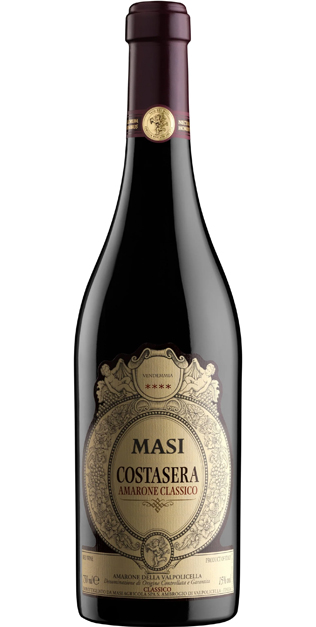 MASI COSTASERA AMARONE CLASSICO
1 × RM278.00
MASI COSTASERA AMARONE CLASSICO
1 × RM278.00  AUCHENTOSHAN 18 YEAR OLD
1 × RM548.00
AUCHENTOSHAN 18 YEAR OLD
1 × RM548.00 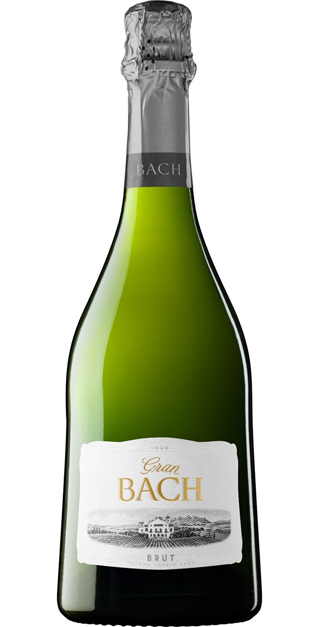 GRAN BACH BRUT CAVA
1 × RM139.00
GRAN BACH BRUT CAVA
1 × RM139.00 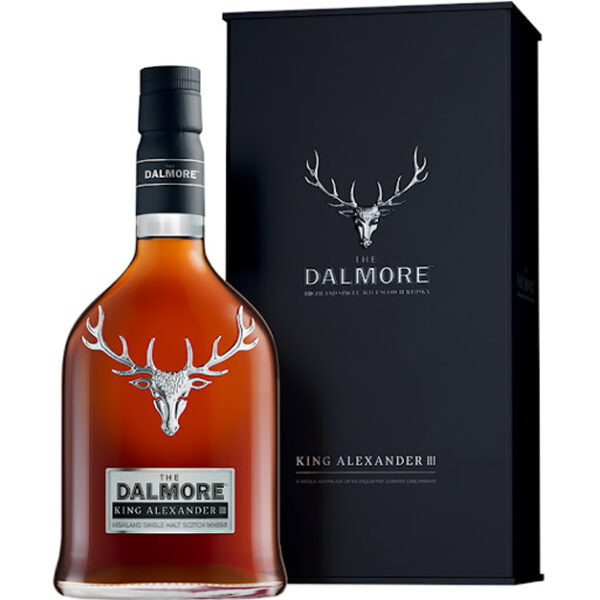 DALMORE KING ALEXANDER III
1 × RM1,298.00
DALMORE KING ALEXANDER III
1 × RM1,298.00 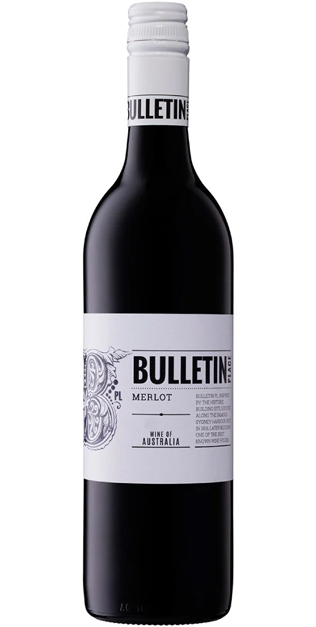 BULLETIN PLACE MERLOT
1 × RM69.90
BULLETIN PLACE MERLOT
1 × RM69.90