



-
×
 CHÂTEAU CLINET 2011
1 × RM748.00
CHÂTEAU CLINET 2011
1 × RM748.00
Subtotal: RM748.00
| Wine Country | |
|---|---|
| Wine Region | |
| Wine Grape Variety | |
| Wine Volume |
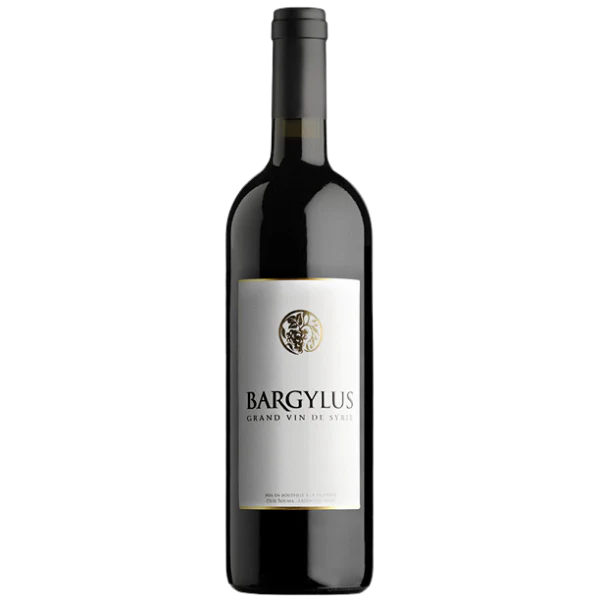
Domaine de Bargylus Rouge 2014
Deep, ruby-red color and complex aromas of black cherry, blackberry, and a hint of spice, this wine is sure to tantalize your taste buds. The palate is equally impressive, with rich flavors of dark fruit, vanilla, and a touch of oak. The tannins are firm but smooth, providing a long and satisfying finish.
VARIETIES: A blend of ⅔ Syrah, ⅓ a combination of Cabernet Sauvignon, and Merlot grapes, carefully selected from the vineyards of the Bargylus estate in Syria, Bargylus is an essentially Mediterranean wine with a surprisingly singular style, Crafted from organically-grown grapes
REGION: Latakia, Syria
AGEING: Aged for 14 months in French barriques of roughly equal portions of new, second-use and third use-barrels
GUARDING POTENTIAL: Enjoy now or will cellar well up to 15 years
SERVE: Serve at 16 – 18ºC
FITS TO: Pairing it with a hearty beef dish or savoring it on its own
CRITICS SCORES: JR/17, 17 points out of 20 and suggest a drinking window of 2019 to 2029
___________________________________________________
About Winery | Of | Domaine de Bargylus
Dubbed as the world’s most dangerous wine, for Domaine Bargylus operating from within the heart of Syria, a country that for years has been ripped apart by a horrid civil war. Despite the odds, Domaine Bargylus has defied them all to become Syria’s only recognised winery, reaching the tables of the finest eateries around the world, and placing Syria well and truly on the international wine map.
Making wine in Syria is a real challenge given the lack of wine culture and infrastructure. The task became more difficult with the breaking out of the war in Syria. The Saadé brothers have been unable to visit the estate since the beginning of the conflict. Beside the obvious security problems, Bargylus is also facing a logistical hassle: Harvesting is done over the phone by the two brothers. Grape samples are sent by taxi for tasting in Beirut in order to determine the harvesting dates for each parcel; laboratory tests are made outside the country; exporting of the wines is also an extremely complex process; etc….