




Wine Guide
Buying, Aging and Storing Wine
Sep
How to buy wine?
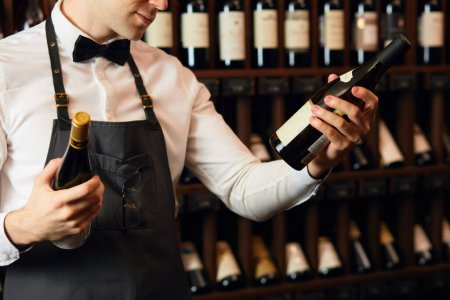
Where possible buy from reputable specialty liquor shop that not only provide you with proper recommendations, their employees will often also impart some really good product and other drinking knowledge. Reputable and specialised sources will also have considerable more knowledge in choosing many higher quality, unique choices and also more aging worthy wines for their customers.
As most wines are fragile, they need to be transported in proper conditions from source and when arrived are also stored at appropriate conditions. This is to ensure they remain in great condition when you pick them up perhaps months or years later. Due to their training, experience and passion for the trade, these extra cares are rarely compromised by these specialty stores unlike other sources such as super-markets, online suppliers etc. It is always prudent to ask or check out the storage conditions before making decisions.
Wine Aging
When and why would one age a wine? Does aging wine always makes a wine better?
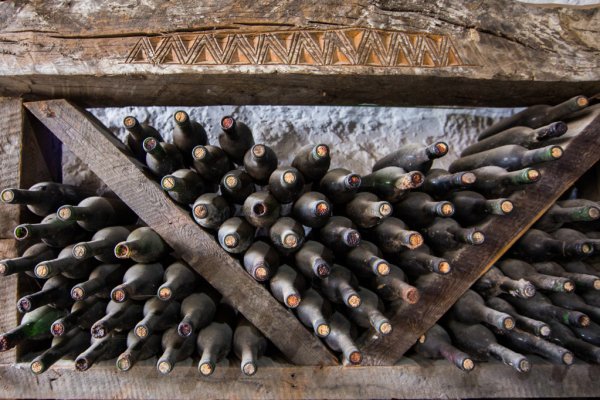
The more popular belief is old wines are better. The longer a wine sits in its dark cave, the bottle slowly gathering dust, the more delicious that wine will be when we drink it, right?
The truth is perhaps < 10-15% of wines are truly made for aging.
Day to Day Wines
Majority of day to day wines taste best when they are younger < 3-4 years old. The original fresh and flavour of the young wines can still be compromised with exposure to excessive heats, light, poor transportation and poor storage conditions often making them taste slightly oxidised, low fruits or slightly over ripe flavour.
Aged Worthy Wine
On the other hand, for many connoisseurs, going through the journey with this class of wines are great passions as well as anticipations of great pleasures and hope rarely experienced elsewhere. First to find wines worthy of aging, this will need considerable wine picking expertise if one is inexperience. As such they are more reliably found again at reputable wine or liquor shops instead of super-market, online or discount stores. As a guidance they are generally priced from as low as > RM120 in reputable liquor wine shops or RM180-200 at super market or online in context of Malaysia.
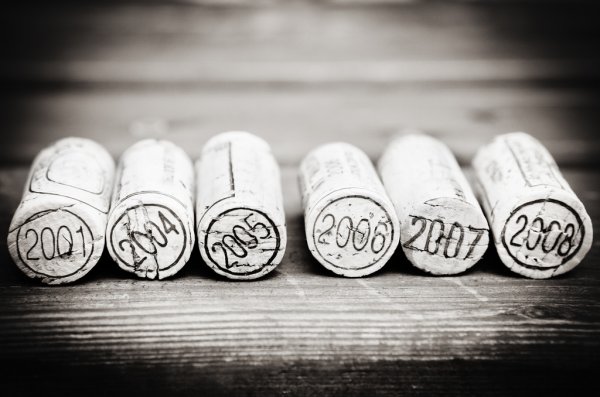
Wines from different appellation/region and vintages have very different aging potential ie. 8-10 years or 15-20 years. All said, often aged worthy wines can be ready for drinking from 5 or 10 or 15 years and should easily have a good drinking window 3-5 more years beyond those aging potential guidance from vineyards, assuming these are properly cellared. “Peak drinking period would often be that few years around 60-75% of those stated period.
|
Region/Appellation |
Aging potential (yrs) ( if proper storage) |
remarks |
|
Classified Bordeaux Red ( Left banks ) Good Italian Barolo** and Brunello |
15-20 |
Vintage matters. Great vintages – aging potential increased by 20-30% Weaker vintages – reduced by 20-30%. Often drinking windows could extend further 2-5 years more from these range |
|
Classified Bordeaux Red (Right banks) Top Australian Red Top Old world Red |
10-20 |
|
|
Bordeaux Superior & Cru Bourgeois Red |
7-12 |
|
|
Premium Cru Burgundy Red |
8-15 |
|
|
Vintage Port** & Sauternes** |
>15-40 |
|
|
Chianti & Chianti Classico |
3-15 |
|
|
German Riesling ( Spatlese & above ) Chablis Premier and Grand Cru Hunter Valley Semillon |
8-20 |
Use of oak , acidity level and tannin levels key to wine’s aging potential |
|
Chardonnay Premium French white |
4-12 |
|
|
Day to Day New Worlds ‘Red & White Sauvignon Blanc Petit and regular Chablis |
< 2-5 |
The fundamental reason for ageing wine is to make it taste even better, allowing additional flavours to develop so that this wine tastes as good as this wine could possibly ever taste. Connoisseurs can anticipate over time more pleasurable nuances will develop , melting away of tannins , revealing a more compelling aromatic and flavour profiles that hopefully comes together in greater harmony. In short the wine must deliver additional complexity and increased pleasure as an older wine compare to when it was released.
What elements makes a wine worthy of aging?
1. Tannin
A high level of tannin is one of the main reasons for ageing a wine and giving it longevity. High tannin in young wines can be extremely drying when drunk – they feel harsh, astringent, and puckery in the mouth. During ageing some tannins start to fall out and those that remain are softer, giving structure to the wine but without unpleasant harsh feeling. Ageing is often more associated with reds, such as Bordeaux blends , CDP from Rhone Valleys , premium Burgundies , Barolos , Brunello, Super Tuscan and also many more premiums end wines from top producing countries such as Australia/New Zealand , Germany, Spain , Chilean , Spain
2. Acid
Acid is a preservative and helps to stabilize the wine during ageing. Wines without a sufficiently high level of acid become flat, dull, and lose their flavour if aged for too long. White wines generally have sufficient acid but lack the tannin necessary for ageing. However, tannin is also present in wood, so white wines that have spent some time in wood during the winemaking process may also benefit from ageing. Many oaked Chardonnays are famous for their ageing potential.
3. Flavour
Wines with complex and varied flavours hold up better under ageing vs wines with only fewer fruit flavours which often lose their vibrancy in ageing. The more powerful wines with many flavours, especially those combining fruit flavours with wood influence from spending some time in barrel, can benefit from ageing because this gives all the flavours a chance to blend together and influence each other. A wine with complex flavours often become more balanced after ageing as all the flavour elements will slowly come nicely together.
In summary , a wine that is complex, powerful, and perhaps a bit harsh in its youth to enjoy will likely have more transformation into a rich, flavourful, well balanced, and interesting experience.
Storing Wine
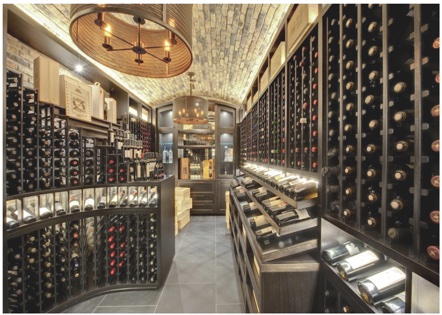
As mentioned only some wines are made for aging while many are made to be drunk within a few years. Aging aged worthy wines will bring out more complexity as it mature.
An aged worthy wine has to be stored properly if it is to be served in a healthy condition. Most wine enthusiasts know under-ground wine cellars that are dark, vibration free, constantly damp and have temperature range of 13° to 15°C constantly with little short term temperature variation are ideal conditions. Unfortunately most of us don’t have such perfect accommodations for our beloved wines. But fortunately, most wines will still thrive and age under other conditions.
Robert Parker’s recommendation for aged worthy wines is that they can be safely stored even from as high as 18° to 20°C. The wine will still aged safely but faster at 20° than 15°C . In his words, at textbook ideal 12.8°C, the wine will likely age so slowly that our children or grand-children will benefit more from the wine than us. Unless temperature exceed 21°C , the wine will not aged badly. Dark environment, 55% to 70% relative humidity, odour and vibration free are other key considerations. Lights will harm wines , too low humidity will dry out the cork leading to air seeping through , too high humidity will caused mouldy labels.
Wine for storage can be broadly categorized into these categories :
- to be drunk next few months to 1-2 years
- to be drunk next 3-5 years for quicker and accelerated aging
- for keep next 10 to 20 years long term aging.
Ideally wine should be lay down on the side to keep the cork moist as air may seep through the dried out cork into the bottle. White also tend to be more fragile than red especially stored above 21° C.
When wines are stored in warm room or left in the car under afternoon sun even for very few hours, the temperature can easily crossed 32° to 36°C and this can easily cooked the wine inside the bottle. As the heat expand in the bottle it may cause cork leakages leading to air getting into the bottle damaging the wine inside.
Cellaring options:
a) Modern Wine Chiller
Most modern homes and wine lovers will settle for this option as it’s practical and flexible. Choose a reliable brand, appropriate size and it will serve you reliably for next 5-10 years with minimal interruption. Modern wine chillers will allow you to set the temperature from around 8°C to almost 22°C. Some comes with dual temperatures option for white and red or the other combinations of aging ( 13°to 15° C ) and serving ( 18° to 20° C ) . Unless there is serious space constraint, it is always wiser to choose at least 1 size up as very often we will store up more bottles faster than we plan to. 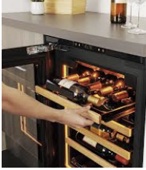
b) Home Cellar
For the privilege few whose home can accommodate a full fledge home cellar that can take anything from 1000 to 5000 bottles will still need to ensure the same few parameters of constant temperatures within 12° to 20°C , dark environment , 60% to 70% relative humidity , low to little vibrations and odour free environments. Such cellar are dream for many eventually.
c) Professional external storage
Such services are sometime provided by some large retailers or professional storage warehouses services. Trade off will be lost of some spontaneity and flexibility as well as long term expenses
Inventory Management
Even if we think we know what we have, we often don’t. Make sure you invest time in tracking your inventory so that you don’t let a wine go past its prime drinking window. Letting wine age too long is as simply as a waste of money.