



-
×
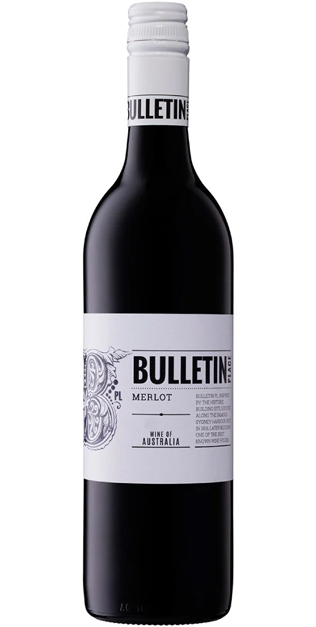
 BULLETIN PLACE SHIRAZ
1 × RM69.90
BULLETIN PLACE SHIRAZ
1 × RM69.90
Subtotal: RM69.90

| Wine Country | |
|---|---|
| Wine Region | |
| Wine Appellation | |
| Wine Classification | |
| Wine Grape Variety | |
| Wine Volume |
Château Lascombes 2015 – 6L
Imperial (6 litres), The capacity of an Imperial is 6 litres, the equivalent of 8 bottles of 75cl or 48 glasses of wine
“Medium to deep garnet-purple in color, the 2015 Lascombes has a beautiful nose of black forest cake, violets, cassis and tilled soil with wafts of garrigue and potpourri. Medium-bodied, very fine and elegant with great intensity of restrained, earthy flavors, it has a long, savory finish.” – 94/100, Robert Parker’s Wine Advocate
VARIETIES: 50% Cabernet Sauvignon, 47% Merlot, 3% Petit Verdot
REGION: Margaux, Bordeaux, France
AGEING: 4 months ageing on the lees. The wine is vinified in a combination of wood and stainless-steel vats and then aged in 60% new barrels for 18 months
GUARDING POTENTIAL: Enjoy now or will cellar well up to 15 years
SERVE: Serve at 16 – 18ºC
FITS TO: Margaux rouge loves Confit Lamb Shank, Guinea Fowl Supreme with Buttered Chestnuts, Hong Kong style Roasted Goose or cheese like Mimolette / Gouda / Tommes
CRITICS SCORES: 94/RP, 95/JS, 94/D, 94/WE
VIVINO: Average 4.3 ★★★★✰
___________________________________________________
2ᵉ Grand Cru Classé – 1855, Margaux Appellation | Range | Château Lascombes
The iconic, ivy-covered Château Lascombes is one of the most recognizable structures in all of Margaux. One would never expect this picturesque and secluded estate to have one of the largest vineyards in the Médoc. The vineyard is an astounding 120 hectares primarily located in Margaux; with 10 hectares in the Haut-Médoc appellation. With a staff of 36, one can imagine the harvest period on such a vast estate would be difficult to manage. Because of their access to state-of-the-art technology and some of the most desirable plots in Margaux, the viticultural team of Château Lascombes produces wines that continue to impress and receive critical acclaim.
Château Lascombes earned its namesake after its owner, Antoine Chevalier de Lascombes in 1625. The estate was inherited from the Durfort de Duras family who also owned Château Durfort – later known as the famed Second Growth property, Château Durfort-Vivens. Château Lascombes was classified as a Second Growth estate in 1855, but its history really began when it was purchased almost a hundred years later. Alexis Lichine and a group of investors – including the wealthy American, David Rockefeller – purchased the estate in 1952. Lichine was no stranger to the wine market. He became a salesman of French wine in the US after the end of the Prohibition. He later published three books on wine: Wines of France (1951, revised 1955), Alexis Lichine’s Guide to Wines and Vineyards of France (rev. 1989), and Alexis Lichine’s Encyclopedia of Wines and Spirits (1967, revised 1987). He was credited with “(teaching) his adopted country to drink wine.” He acquired Château Prieuré, the Fourth Growth property in Margaux, and attached his name to it, hence Château Prieuré-Lichine. He took it upon himself to revitalize the estate that was already on the brink of destruction. Lichine prioritized his efforts towards purchasing surrounding plots and increasing production. By the time he sold the estate, he had tripled its output with more than 40 separate plots of vines spread throughout Margaux.
There is a diverse array of soil types at Château Lascombes. Gravelly outcroppings are planted with Cabernet Sauvignon and Petit Verdot. The property also has limestone terroir, which is highly unique to the Margaux region. It is the areas with clay and limestone where the primary varietal at Château Lascombes, Merlot, really shines. Château Lascombes has 50% of its vineyard planted with Merlot – an unusual choice for an estate in Margaux. The vines are on average 35 years old, and only 50-hectares of the sprawling vineyard are considered able to produce the wines of top Second Growth quality.
The estate is presently managed by Dominique Befve, who brings his expertise from ten years as technical director at Château Lafite Rothschild and Duhart Milon. Upon his arrival, Dominique oversaw major technical innovations to the cellar. The cellar astonishes visitors with its signature blue lights and technologically advanced Oxoline racks. The racks rotate the barrels and keep the [lees] of the wine in suspension, reducing oxidation and making the wine round and more immediately accessible. The grapes are not harvested by machine, and due to the estate’s enormous size, harvest is a massive undertaking. Though their production is large, the team at Château Lascombes approaches each vintage with the care and dedication of a significantly smaller estate. The wines of Château Lascombes can be drunk younger due to their accessibility and prove to be an excellent value in terms of Second Growth wines.